The real estate industry is driven by relationships. Every transaction begins with interest and curiosity, followed by the gradual process of building trust. Leads in real estate are more than just names or contact details. They are potential customers who must be guided through a complex journey. The real estate sector involves long decision cycles and high emotional and financial stakes. Customers go through multiple stages of research, comparison and evaluation. The process of generating and managing leads is about more than simply reaching a wide audience; it's also about connecting with the right individuals. A well-developed approach to lead generation focuses on relevance rather than volume.
The methods used to generate leads have changed significantly. While traditional practices such as direct outreach still hold value, they now exist alongside a rapidly expanding digital ecosystem. This shift has changed customers' expectations; businesses must now maintain visibility and consistency across multiple touchpoints. The amount of information available has also made the market more competitive. With so many options competing for attention, standing out requires more than just visibility; it calls for well-defined strategies for differentiation.
All leads in real estate may not be equal. Businesses can increase conversion rates by understanding consumer preferences and focusing on high-value prospects. This requires a combination of data and experience, as well as technologies for better tracking and segmentation.
As the real estate landscape continues to change, the approaches used to attract and manage leads also need to change. Changes in customer behaviour, advancements in technology and increasing competition all contribute to a more dynamic environment. Adapting to these changes requires focusing on fundamentals like relevance and consistency.
Lead generation is the foundation of real estate growth. Companies that combine strategic planning with consistent execution can generate high-quality leads in real estate.
The Biggest Challenges in Generating Leads in Real Estate
Consistent lead generation in real estate is not as easy as it appears. While the demand for property may remain steady, the path to attracting and converting the right prospects is filled with many challenges. Understanding these problems is essential for building a more reliable and efficient approach to lead generation.
Long and Unpredictable Decision Cycles
Real estate deals include large financial investments and long-term impact. Buyers often take weeks or even months to decide. This long duration makes it challenging to generate leads in real estate. Maintaining involvement during this time calls for patience, consistency and well-planned follow-up procedures.
Poor Lead Qualification
While all leads may not have the same potential, many companies find it difficult to distinguish between them. A lack of proper qualification results in companies spending time and resources on the wrong leads. This hampers their efficiency and total conversion rates. Effective lead management involves systematic strategies to identify which prospects are most likely to proceed.
Ineffective Follow-Up and Lead Nurturing
Generating leads is only the start of the journey. A major reason leads in real estate fail to convert is inconsistent or delayed follow-up. In a competitive market, even a short delay can result in lost opportunities. Buyers expect relevant, timely and personalised interactions that address their specific needs. Without well-defined nurturing strategies, even high-quality leads may lose interest or move to the competition.
Lack of Data and Performance Tracking
Many businesses attempt to generate leads in real estate without a clear understanding of which channels or strategies yield the most effective results. Effective tracking and analysis are crucial for identifying successes and areas that require changes. Sales Magnitude's data-driven strategy can help you optimise your lead generation efforts and allocate resources more effectively.
Quality vs Quantity in Leads in Real Estate
Many businesses only consider the number of leads they produce, ignoring their quality. While more leads may seem like a sign of growth and visibility, success depends on their quality. Having a large number of unqualified leads can make it harder to find genuine prospects and reduce the effectiveness of lead generation efforts.
High-quality real estate leads have specific goals and demands. These individuals have transitioned from casual browsing to considering investment opportunities. Engaging with such leads allows for faster decision-making and a higher probability of conversion. In contrast, low-quality leads usually lack clarity, resulting in prolonged interactions that may not lead to any tangible outcome. This distinction becomes especially important in a sector where each conversion carries substantial value.
However, a certain volume of leads in real estate is essential to maintain a steady pipeline. The challenge is to figure out how to balance quality and quantity. Lead generation in real estate is most effective when combined with strong filtering and qualification methods. Without these mechanisms, higher lead volumes can reduce overall efficiency.
The cost of acquiring and managing leads is an important factor. Low-quality real estate leads are typically acquired through broad and inexpensive outreach processes. However, the hidden cost is the time and effort required to engage with genuine prospects while filtering out those who are unlikely to convert. While high-quality leads might need more focused efforts and higher acquisition expenses, they tend to yield higher conversion rates.
The question is not whether quality or quantity is more important, but how well they fit together in a structured system. Attracting a consistent stream of leads in real estate is crucial for long-term lead generation. Focusing on quality allows businesses to create a lead pipeline that consistently produces meaningful and measurable results over time.
Building a Consistent Lead Funnel for Leads in Real Estate
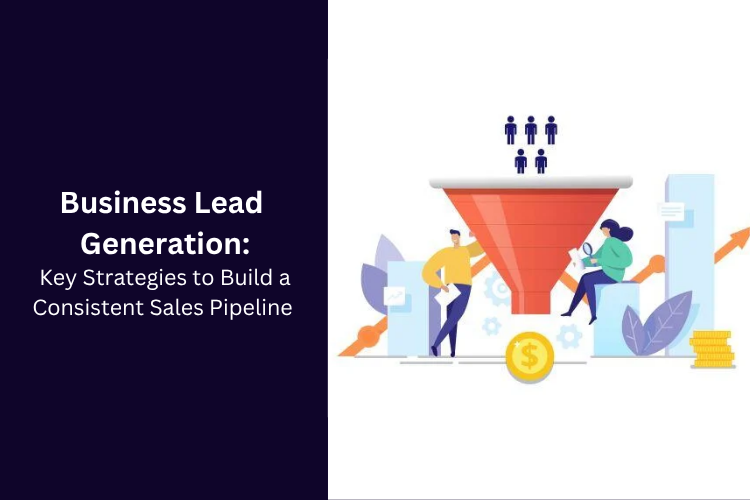
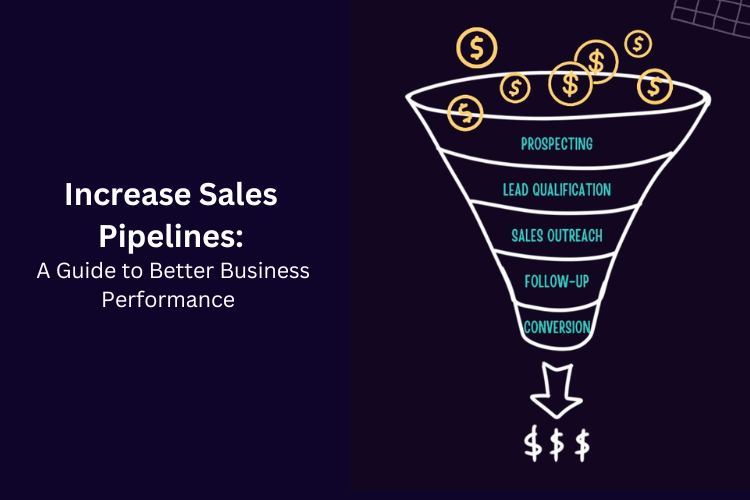
A solid lead funnel is essential for generating leads. Real estate lead generation requires careful planning that takes into account both the short and long term, as well as varying levels of buyer motivation. A well-structured funnel guides leads from their initial contact to the final conversion.
A lead funnel is built around distinct stages. Consistency across these stages impacts the effectiveness of the funnel. Generating leads in real estate without a clear strategy results in fragmented interactions, where prospects lose interest or move away entirely. Maintaining a consistent funnel ensures leads at each level get relevant messaging and meaningful interaction. This results in a smooth experience that helps prospects move forward.
Segmentation helps businesses build a consistent lead funnel. All leads in real estate may not enter the funnel at the same stage or with the same level of readiness. Treating all leads uniformly can lead to missed opportunities and inefficient use of resources. By categorising leads based on their preferences and intent, businesses can tailor their approach.
Leads often require multiple interactions before they are ready to commit. Consistent follow-up helps maintain engagement and strengthens trust. Personalised interactions and clear responses to queries all contribute to a more effective nurturing process.
Building a consistent lead funnel is about creating a structured yet flexible system that supports the entire journey of leads in real estate. Businesses must ensure every interaction adds value and moves prospects closer to a decision. A well-made and systematically maintained funnel boosts conversion rates and elevates the experience for prospective buyers, thereby setting the stage for long-lasting connections and ongoing growth.
Conclusion
In a market characterised by fragmented attention and delayed decision-making, generating and managing leads in real estate requires more than isolated efforts or short-term tactics. It calls for a structured, consistent approach that brings together visibility, relevance and trust. Every element, from understanding buyer behaviour to building a well-defined funnel, plays a role in shaping outcomes that are both measurable and sustainable.
There is no single channel or strategy that guarantees success. Effective lead generation is the result of multiple components working in alignment, including timely engagement, thoughtful follow-up and continuous refinement. Leads in real estate are not static; they change along with changing market conditions, personal priorities and the quality of interactions they experience. Businesses must move beyond transactional thinking and focus on building meaningful connections.
Consistency is an important factor. While sporadic campaigns may generate temporary spikes in interest, long-term growth depends on maintaining a steady lead pipeline. As the real estate landscape continues to evolve, businesses that approach lead generation as an ongoing, integrated process are better able to navigate competition and convert opportunities into lasting value.
Explore Sales Magnitude's digital marketing services for support with your marketing goals.