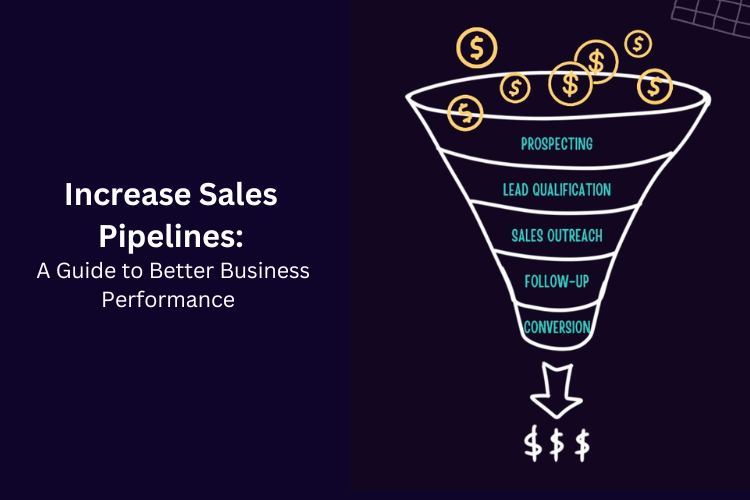
Sales performance is a crucial indicator of a business's health. However, it's also frequently misunderstood. Many businesses that carefully monitor data and celebrate short-term successes still struggle to generate consistent, predictable revenue. Companies must look beyond superficial indicators and adopt a more structured, balanced perspective to improve sales performance.
Sales performance reflects how well a company knows its clients and offers value. Multiple factors working together result in a positive sales performance. Sales performance must be viewed within the larger framework of the overall business condition. Market conditions and economic uncertainty are all factors that influence outcomes. Businesses that treat sales as an isolated activity often struggle to scale outcomes; those that integrate sales with marketing and operations are better positioned to achieve consistency.
Sustainable progress rarely occurs overnight. Short-term sales spikes caused by discounts or seasonal promotions may temporarily boost numbers. However, they also erode long-term trust and reliability. More effective methods focus on consistent, measurable gains, such as improving customer interactions and utilising opportunities. These improvements add up over time to improve sales performance.
Many businesses struggle to define what improved sales performance means for them. Key performance indicators help firms track their success and identify areas for improvement instead of relying on assumptions. Buyer expectations have evolved in the modern business landscape. Customers are more informed and less accepting of generic sales tactics. This shift puts more pressure on businesses to adapt while maintaining focus. Businesses that fail to adapt may lose their long-term credibility.
Ultimately, boosting sales performance involves creating a system that promotes informed decision-making and long-term growth. This blog delves into the key ideas that can help businesses improve sales performance practically and sustainably.
Improve Sales Performance – Common Challenges Businesses Face
Efforts to boost sales often start with good intentions but quickly run into multiple problems. These issues are often caused by gaps in strategy and execution, rather than a lack of ability. Understanding the common difficulties that hamper growth helps businesses address them rather than depending on short-term fixes that fail to generate long-term results.
Lack of Strategic Clarity
Sales teams are often expected to deliver results without identifying business goals, target markets or ideal customer profiles. When directions are unclear, activity rises while effectiveness falls. Teams may chase opportunities that appear attractive on the surface but don't fit with the overall business objectives.
Unrealistic Expectations
Companies aiming to improve sales performance often expect immediate results. Sales projects require a long time to provide results. When leaders expect quick gains, employees prioritise short-term gains above long-term success. This results in frequent strategy changes and unreliable performance. Businesses must set realistic timelines and focus on long-term strategies rather than quick remedies.
Resistance to Change
Resistance to change limits efforts to improve sales performance. Sales teams are often comfortable with certain old techniques, even if those methods no longer produce ideal results. Introducing innovative strategies without clear communication can lead to confusion and opposition. To overcome opposition, you need to get teams involved early, show them real benefits and provide consistent support.
Inconsistent Sales Processes
Sales success often relies heavily on individual performers rather than structured methods. Without a well-planned strategy, results are unpredictable and difficult to scale. Attempts to improve sales performance prioritise individual effort above operational skills.
Adapting to Buyer Behaviour to Improve Sales Performance
Adapting to changing customer behaviour is crucial for firms trying to improve sales performance. Modern buyers are more educated, careful and value-oriented when making purchasing decisions. This has radically changed the sales environment, making flexibility a necessary skill rather than a desirable bonus.
Modern customers do considerable research before speaking with a sales professional. They compare solutions and explore digital content long before a direct conversation takes place. As a result, traditional, linear sales strategies based on standardised messaging are significantly less effective. Companies must understand that buyer journeys are no longer predictable and adapt their sales techniques to improve their sales performance.
Flexibility is essential for meeting buyers as per their convenience. Leads enter the sales process at different points, with differing levels of awareness and intent. A rigid sales approach that treats every customer the same often results in missed opportunities. Flexible sales teams are better able to create value packages and effectively respond to unique buyer needs.
Buyers interact with firms through multiple touchpoints, including websites, social media and email. Businesses that rely too heavily on a single channel or obsolete communication methods risk becoming irrelevant. To boost sales performance, businesses must maintain consistency while catering to individual buyer preferences.
Businesses that value flexibility can stay relevant in a constantly changing market. They adjust their marketing plans to meet customers' demands. This helps improve sales performance in line with the company's long-term goals.
Optimising the Sales Process Through Digital Marketing
Optimising the sales process is a vital step for businesses wanting to improve sales performance. Digital marketing is crucial to achieving effective and measurable optimisation. Buyer journeys are increasingly digitally focused. Businesses that integrate their sales processes with digital marketing initiatives are better positioned to contact prospects at the right time and through suitable channels.
Digital marketing enhances the sales process by improving lead quality. Businesses can attract suitable leads by publishing targeted ads and segmenting their audiences using data. This alignment reduces friction and supports consistent improvement in sales success.
Digital marketing also increases visibility across the sales funnel. Marketing automation solutions and CRM systems offer insights into how prospects interact with content. This data helps sales teams prioritise their marketing efforts based on actual customer behaviour rather than assumptions.
Content is especially important in improving the sales process. Educational blogs and email campaigns answer buyer queries before they interact with the business. When digital marketing content is carefully matched with various stages of the sales process, it shortens sales cycles and increases conversion efficiency.
Digital marketing also helps refine the sales process. Performance data provides clear indications of what appeals to customers and what does not. This allows firms to tailor their messaging and targeting based on evidence rather than intuition.
Improving the sales process with digital marketing involves achieving alignment, visibility and efficiency throughout the customer journey. Businesses can improve sales performance and achieve consistent, long-term results by partnering with digital marketing experts like Sales Magnitude.
Conclusion
Improving sales results requires more than a single initiative or short-term changes. Consistent and well-planned efforts are necessary. Businesses that understand their customers and are flexible can navigate changing market conditions and shifting buyer expectations.
Businesses need to adopt a long-term outlook to improve sales performance. This involves improving existing procedures while remaining flexible to change. Businesses that approach sales improvement as a continual process rather than a one-time effort can build stronger relationships and achieve long-term success.
Explore Sales Magnitude's digital marketing services for support with your marketing goals.